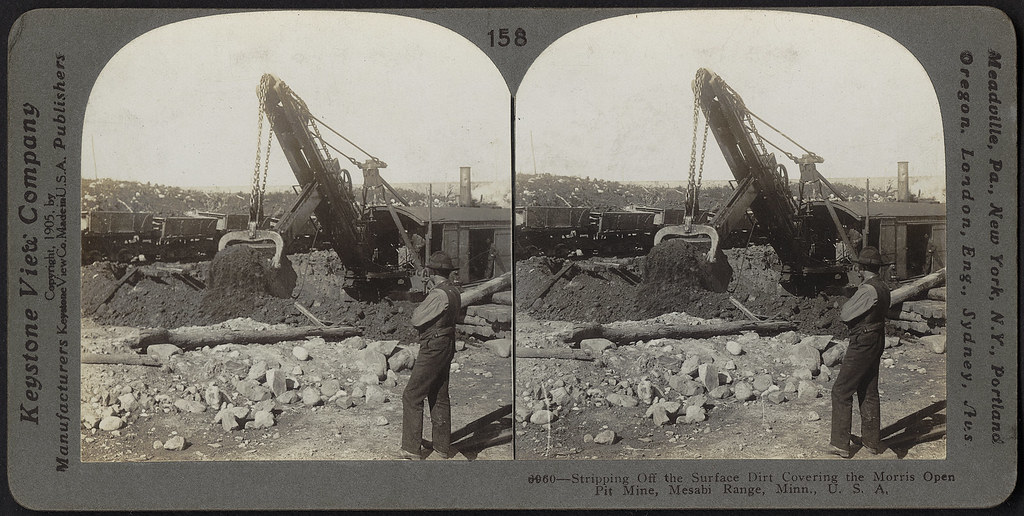

The Customs, Excise and Service Tax Appellate Tribunal (CESTAT) has issued a landmark ruling, quashing a service tax demand on mining-related activities conducted before June 1, 2007. The tribunal determined that excavation, extraction, grading, and sorting of iron ore constitute mining services rather than Business Auxiliary Services, effectively invalidating tax claims for the period prior to their official inclusion in the taxable category.
Understanding the Legal Precedent
This dispute originated from tax authorities attempting to classify specific mining operations under the broader umbrella of Business Auxiliary Services. Under Indian tax law, Business Auxiliary Services were brought under the tax net earlier than specific mining-related activities.
The appellant argued that the activities performed were strictly mining operations. Consequently, they contended that these services were not subject to service tax until the government explicitly introduced ‘Mining Services’ as a taxable category on June 1, 2007.
Analyzing the Tribunal’s Findings
In its detailed order, the tribunal emphasized that the nature of the work performed—namely excavation and extraction—is fundamentally synonymous with mining. By rejecting the revenue department’s classification, the CESTAT has provided much-needed clarity on the taxability of pre-2007 mining contracts.
Legal experts note that the classification of services is a recurring point of contention in indirect tax litigation. This ruling reinforces the principle that a service cannot be taxed under a generic head if a specific category for that activity was introduced at a later date.
Industry and Fiscal Implications
The decision serves as a significant relief for mining companies that have been embroiled in long-standing litigation with tax authorities. Many firms faced substantial financial liabilities due to retroactive tax assessments that the CESTAT has now deemed legally unsustainable.
For the broader industry, this verdict underscores the importance of precise service classification in tax compliance. It highlights how the evolution of tax legislation often creates gray areas that require judicial intervention to resolve.
Future Outlook
Market analysts suggest that this ruling may lead to a wave of similar petitions from companies facing pending tax demands for the pre-2007 period. Stakeholders should monitor whether the tax department chooses to challenge this decision in higher courts, as such an appeal could prolong the legal uncertainty for the mining sector. Moving forward, businesses must ensure that their service agreements are clearly documented to withstand scrutiny regarding the specific timing of tax liability changes.
Frequently Asked Questions
Why were tax authorities attempting to classify mining activities as Business Auxiliary Services?
Tax authorities often attempt to classify specific activities under broader, pre-existing categories to capture revenue earlier. Since Business Auxiliary Services were taxable before the specific Mining Services category was introduced in 2007, the department sought to use this generic classification to justify tax demands for the period prior to the official legislative inclusion of mining.
Does this CESTAT ruling apply to all mining companies facing tax demands?
While this ruling provides a strong legal precedent, its direct application depends on the specific nature of the services rendered. Companies must demonstrate that their activities—such as excavation and extraction—align with the tribunal's definition of mining. It offers significant relief, but firms should consult legal experts to determine how the specific facts of their tax litigation align with this verdict.
Can the tax department still pursue claims for the period before June 2007?
The tax department retains the right to challenge this CESTAT decision in higher courts, such as the High Court or Supreme Court. If they choose to appeal, the legal uncertainty regarding pre-2007 tax liabilities could persist. Mining companies should remain vigilant and monitor any subsequent legal developments that might impact their ongoing or settled tax disputes.
What lesson should businesses learn regarding service classification for tax compliance?
This ruling highlights that precise documentation is essential for tax compliance. Businesses must ensure their service agreements clearly define the nature of work performed to avoid misclassification by authorities. When tax laws evolve to include new categories, companies should proactively review their contracts to ensure they align with the specific timing of tax liability changes to prevent retroactive disputes.