
Understanding Foreign Tax Credit Claims
Taxpayers frequently encounter complex administrative hurdles when managing international income and associated tax obligations. One common issue involves claiming relief for taxes paid in other jurisdictions to avoid double taxation. Ensuring that every paperwork requirement is met on time is essential for a smooth assessment process by revenue authorities.
The Recent Tribunal Verdict
A notable decision by the Bangalore bench of the Income Tax Appellate Tribunal addressed a dispute concerning a foreign tax credit claim. The case centered around a taxpayer who sought relief amounting to ninety-five thousand five hundred thirty-seven rupees. Revenue authorities had initially raised objections because the mandatory reporting document known as Form 67 was submitted past the established deadline.
Clerical Errors in Tax Returns
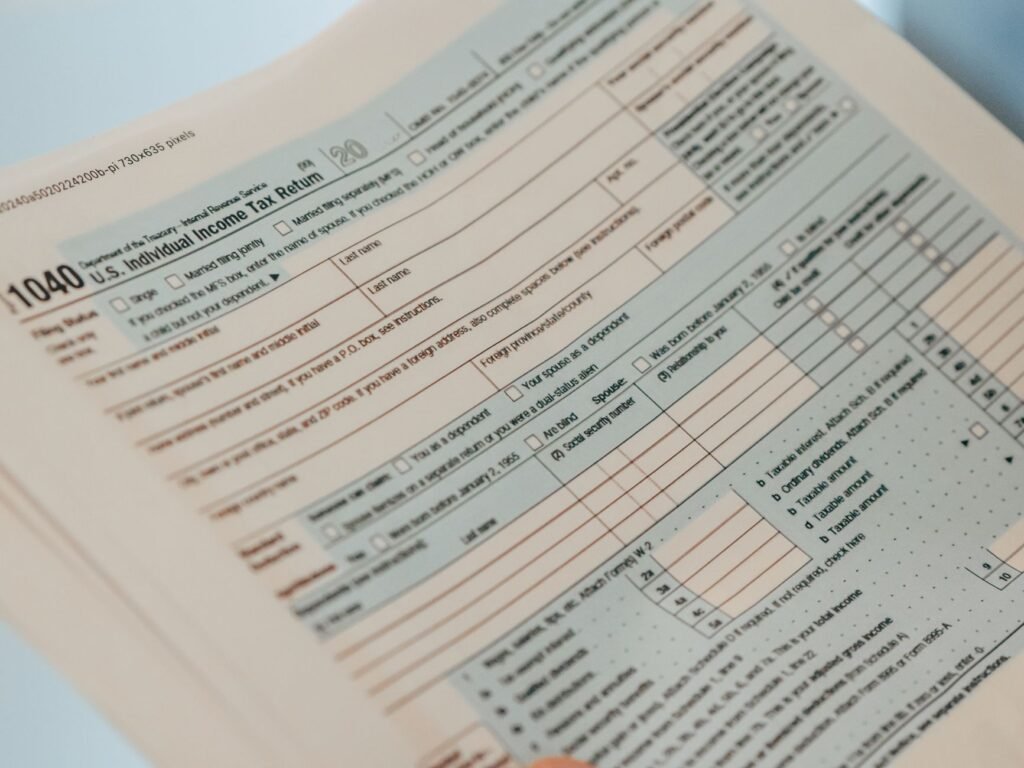
In addition to the delayed submission of the statutory form, the taxpayer also placed the foreign tax credit details into an incorrect column within the main income tax return filing. This combination of procedural lapses prompted tax officials to question the validity of the relief claimed. Administrative missteps of this nature often lead to automated or manual rejections during the initial scrutiny phases.
Tribunal Decision and Verification
Upon reviewing the matter, the tribunal held that legitimate relief should not be denied solely on the grounds of a delayed statutory form submission. The judicial body emphasized that procedural infractions, while important, should not completely nullify substantive rights to double taxation relief. However, the tribunal noted that the claim remains subject to proper verification by the assessing officer to ensure accuracy and compliance with underlying tax treaties.
Key Takeaways for Taxpayers
This ruling provides important guidance for individuals earning income abroad and navigating domestic tax compliance. While administrative deadlines and accurate form placement remain critical, the decision highlights that substantial justice takes precedence over minor procedural delays. Tax professionals and filers should nevertheless strive for timely submissions to avoid protracted litigation and verification delays during their annual tax assessments.