
Introduction to the Tax Dispute
Tax authorities and appellate tribunals frequently review property transactions and cash investments to ensure compliance with financial regulations. A recent ruling by the Income Tax Appellate Tribunal in Agra highlights the necessity of thorough factual verification before making financial additions under specific statutory provisions. The case involves complex evaluations regarding land classification and the source of funds utilized by a taxpayer.
Understanding the Core Legal Provisions
Statutory provisions such as Section 69 of the income tax framework address unexplained investments, while Section 56(2)(x) deals with property received for inadequate consideration or below stamp duty value. When tax officials detect discrepancies between declared purchase prices and official valuations, they often make substantial additions to the taxpayer’s taxable income. However, these additions require careful judicial scrutiny to determine if the underlying assumptions and valuations are accurate.
Background of the Khadar Land Case
The dispute centered around the valuation of a specific parcel of land classified as Khadar land, along with scrutiny over the financial investments made by an individual working as a teacher. The assessing authorities had previously questioned the declared value of the property and the legitimate source of funds used for the acquisition. Consequently, additions were made to the taxpayer’s income under the relevant sections of the tax law, prompting an appeal before the higher appellate forum.
Arguments Presented by the Taxpayer
During the proceedings, the taxpayer contested the additions made by the lower authorities. Regarding the financial investments, the defense emphasized that the funds were derived from legitimate accumulated savings earned through a teaching career. For the property transaction, the taxpayer argued that the unique topographical and geographical nature of Khadar land significantly impacts its market value, rendering standard stamp duty valuation benchmarks inappropriate without proper adjustments.
Observations and Decision by ITAT Agra
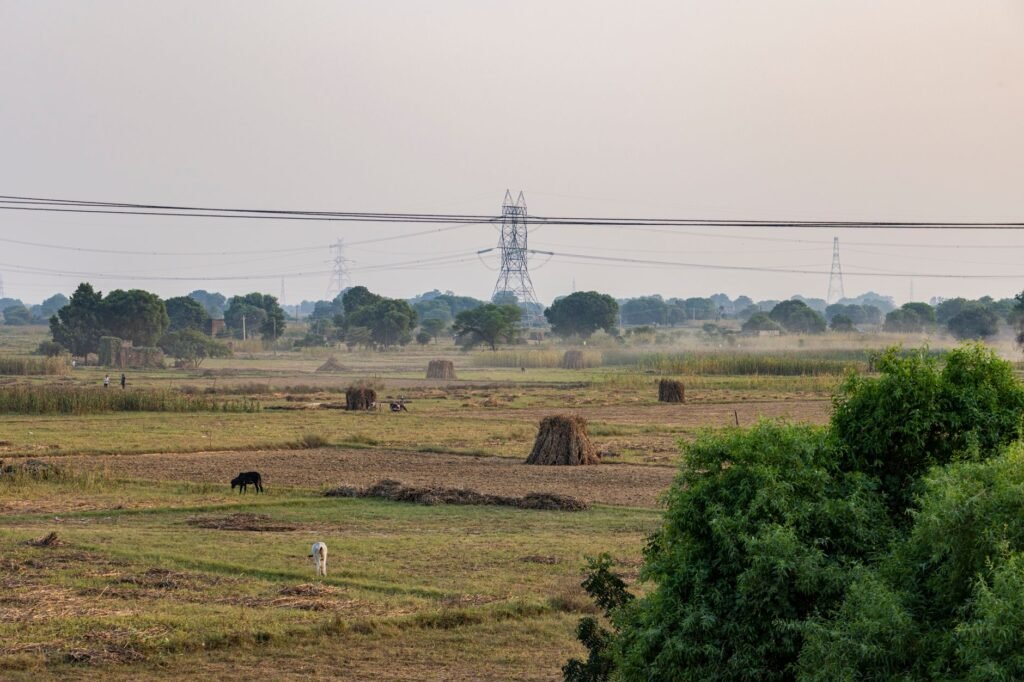
Upon reviewing the case, the Agra bench of the Income Tax Appellate Tribunal noted that the lower authorities had not adequately examined the specific claims made by the taxpayer. The tribunal emphasized that the physical condition, flood-prone nature, and agricultural limitations typical of Khadar land must be factored into any realistic valuation exercise. Furthermore, the tribunal determined that the explanations regarding the teacher’s personal savings deserved a more detailed and objective factual verification rather than a summary dismissal.
Implications of the Remand Order
By setting aside the previous orders, the tribunal remanded the matter back to the assessing officer for fresh consideration. This decision directs the tax authorities to conduct a comprehensive inquiry into the actual condition of the land and to re-examine the documentary evidence supporting the taxpayer’s savings. The ruling reinforces the principle that tax additions cannot be sustained without verifying the genuine economic realities of property valuation and the plausible sources of income declared by individuals.