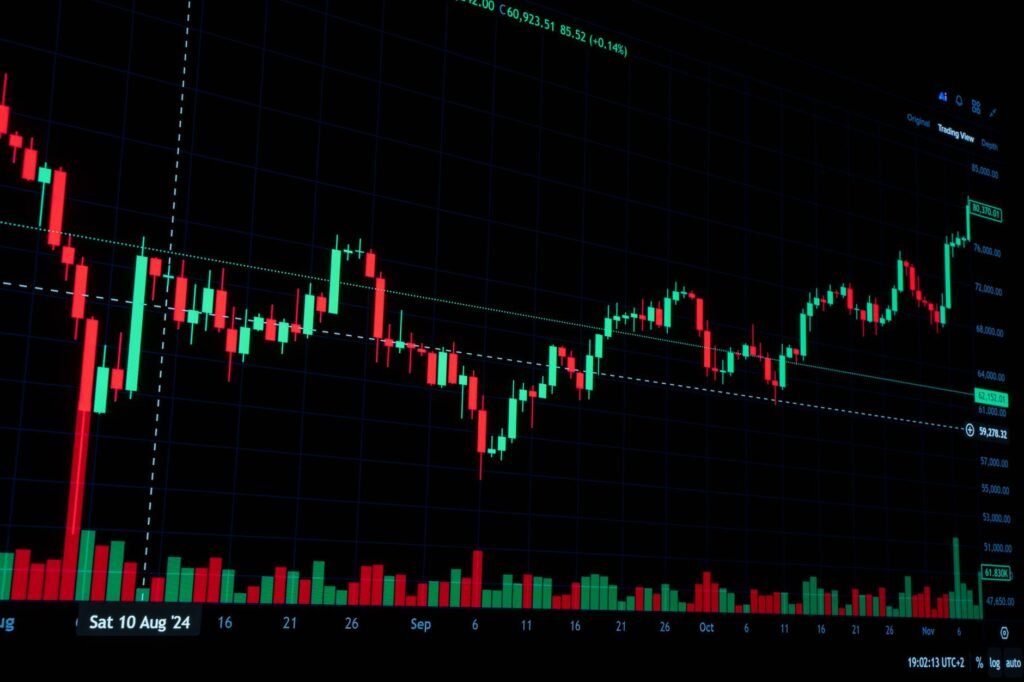

Understanding Currency Derivatives Trading
Currency derivatives represent financial contracts whose value depends on an underlying exchange rate between two different currencies. Traders use these instruments to hedge against foreign exchange fluctuations or to speculate on currency movements. The National Stock Exchange provides a robust platform for executing these trades securely. Through established brokers, market participants gain streamlined access to currency futures and options.
Institutional Framework and Regulatory Compliance
Trading in currency derivatives through a recognized financial institution requires adherence to strict regulatory standards. Verified profiles of major brokerage houses indicate compliance with capital market authorities such as the Securities and Exchange Board of India. This oversight ensures that investor interests remain protected through transparent operations, clear legal entities, and standardized market practices.
Resident Eligibility and Client Onboarding
Participation in currency derivative segments on the National Stock Exchange is generally open to resident individuals who meet specific criteria. Before executing any trades, clients must complete a mandatory Know Your Customer verification process. This involves submitting valid identification documents, address proofs, and financial disclosures to verify identity and comply with anti-money laundering regulations.
Brokerage Structures and Trading Margins
Engaging in currency futures and options incurs various costs, including brokerage fees, statutory levies, exchange transaction charges, and government taxes. Brokerage firms typically structure these fees based on the volume of trades executed. Additionally, traders must maintain specified margin amounts with their broker to cover potential losses and fulfill daily settlement obligations.
Settlement Mechanics and Fund Transfers
Transactions executed within the currency derivatives segment follow a systematic settlement cycle. Profit and loss calculations occur on a daily basis through mark-to-market settlements, while final contract expirations involve physical or cash settlement depending on the specific product guidelines. Efficient fund transfer mechanisms ensure that margins and payouts are processed smoothly between the trading accounts and bank accounts.
Managing Risks in Currency Markets
While currency derivatives offer significant opportunities for hedging and portfolio diversification, they also entail notable financial risks. High leverage can amplify both gains and losses rapidly. Market participants must employ robust risk management strategies, utilize stop-loss orders, and thoroughly understand exchange mechanisms before committing substantial capital to currency trading.
Grievance Redressal and Support
Brokerage houses maintain dedicated customer support and grievance redressal cells to address client concerns efficiently. Investors who encounter operational disputes or transactional discrepancies can escalate issues through established internal escalation matrices. If unresolved, matters can be taken up through the online dispute resolution mechanisms provided by the stock exchanges.