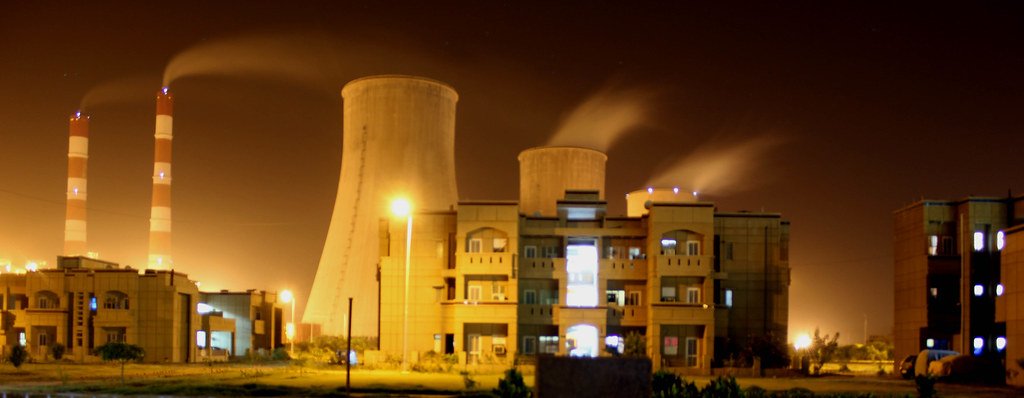

On July 29, 2026, the Appellate Tribunal for Electricity, presided over by Officiating Chairperson Hon’ble Mrs. Seema Gupta, commenced hearings on a batch of appeals filed by M/S Adani Power Limited (Raipur TPP). The legal action contests a common order issued on January 20, 2026, by the Chhattisgarh State Electricity Regulatory Commission (CSERC).
The underlying dispute stems from CSERC petitions numbered 71 and 72 of 2025. In those proceedings, the state commission disallowed the recovery of fly ash transportation expenses incurred by the power plant. Furthermore, the regulatory body ordered the utility to refund amounts previously collected from the Chhattisgarh State Power Distribution Company Limited (CSPDCL).
According to official reports, the contested regulatory decision relies on strict interpretations of the applicable state framework. The CSERC maintained that the transportation costs stemming from specific Ministry of Environment, Forest and Climate Change (MoEF&CC) notifications issued on January 25, 2016, and December 31, 2021, cannot be passed on to the distribution licensee.
Legal representatives for Adani Power argue that the expenses are mandatory compliance costs directly tied to environmental directives. Conversely, state distribution authorities maintain that existing tariff regulations do not automatically permit the recovery of such logistics expenditures. The tribunal is now tasked with determining whether environmental compliance mandates supersede standard state tariff mechanisms regarding cost pass-through eligibility.
This ongoing judicial review carries significant financial implications for thermal power producers operating within Chhattisgarh. Industry stakeholders note that the final verdict will establish a critical precedent for how environmental management expenses are socialized or absorbed across the power sector. A ruling against the generator could compel power producers to absorb substantial compliance outlays without state-backed compensation.
Observers and legal experts are closely monitoring the tribunal proceedings for preliminary observations regarding statutory interpretation. The appellate authority is expected to examine the interplay between national environmental mandates and state-level electricity pricing regulations in the upcoming hearings.
Disclaimer: This article is published for general news and informational purposes only. While every effort has been made to ensure accuracy, readers are advised to verify important information from official sources. The publisher shall not be responsible for any loss or inconvenience arising from reliance on the information published.