Prasenjit Bhowmik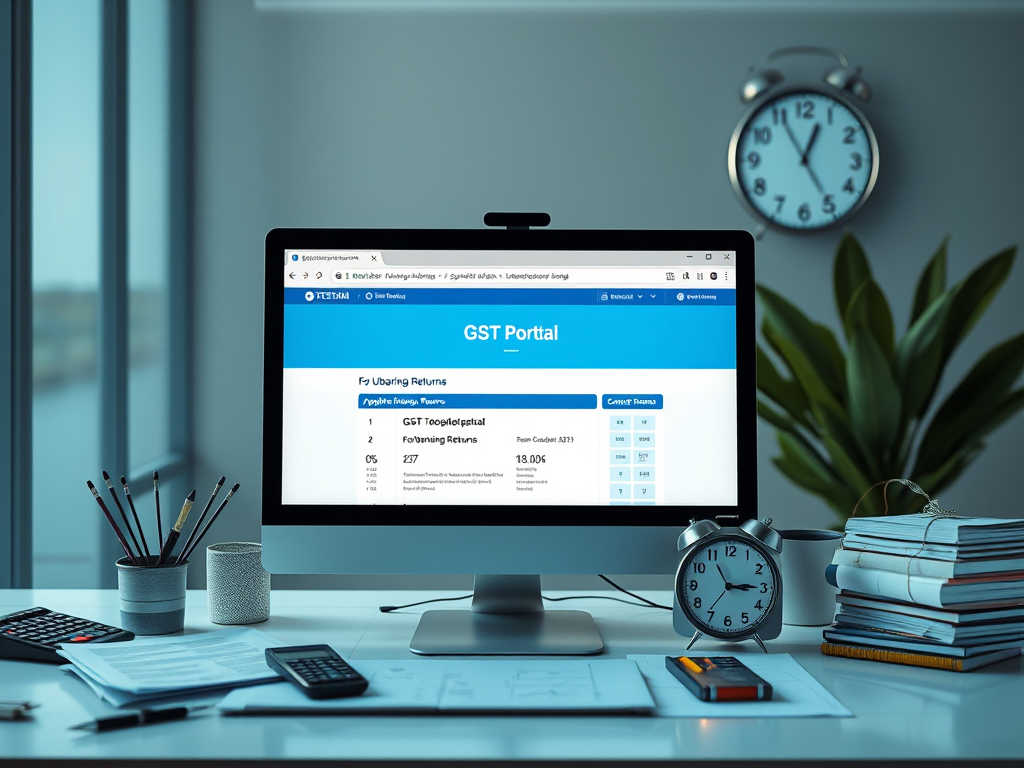
Timely filing of GST returns is a fundamental compliance requirement under the CGST Act, 2017. Non-filing of returns not only attracts late fees and interest but also leads to system-driven restrictions on the GST portal. Until recently, taxpayers who failed to file returns for three consecutive tax periods faced automatic barring of subsequent filings, creating a compliance deadlock.
To address this issue, the Goods and Services Tax Network (GSTN) has introduced a new facility called “Application for Unbarring Returns” on the GST portal. This update, rolled out in February 2026, provides a structured mechanism for taxpayers to regularize their compliance and resume filing returns.
1. Legal Background
- As per Rule 59(6) of the CGST Rules, read with Sections 39 and 47 of the CGST Act, the GST system automatically bars filing of subsequent returns when a registered taxpayer fails to furnish returns for three consecutive tax periods.
- Once barred, the respective return period becomes non-editable, preventing further compliance until unblocked.
- This created significant hardship for businesses that wanted to regularize their tax position but were unable to do so due to system restrictions.
2. New Facility on GST Portal
The GSTN has now operationalized a new module titled “Application for Unbarring Returns”.
- Location on Portal:
Services → Returns → Application for Unbarring Returns - Process:
- Taxpayer submits an online application explaining the reason for non-filing.
- The application is routed to the jurisdictional GST officer.
- If the officer is satisfied, the returns are unbarred, allowing the taxpayer to file pending returns.
This facility provides a transparent and standardized process for taxpayers to seek relief.
3. Implications for Taxpayers
- Compliance Regularization: Businesses can now clear past defaults without manual intervention.
- Reduced Litigation: By providing a structured application process, disputes over blocked returns are minimized.
- Ease of Doing Business: Taxpayers who faced operational disruptions (e.g., financial stress, technical issues) can re-enter the compliance framework smoothly.
4. Best Practices for Using the Facility
- Timely Application: File the unbarring request immediately after noticing blocked returns.
- Clear Explanation: Provide a valid reason for non-filing (e.g., technical glitches, financial hardship, or genuine oversight).
- Maintain Documentation: Keep supporting records ready in case the GST officer requests verification.
- Follow-Up: Track the application status regularly on the GST portal to ensure timely approval.
5. Professional Insights
Accountants and consultants should advise clients to:
- Avoid prolonged non-filing, as late fees and interest continue to accumulate.
- Use the unbarring facility only as a corrective measure, not as a routine practice.
- Stay updated with GSTN advisories to ensure compliance with evolving rules.
Conclusion
The Application for Unbarring Returns is a significant relief measure introduced by GSTN in February 2026. It empowers taxpayers to regularize compliance, reduces administrative hurdles, and strengthens the ease of doing business under GST.
By leveraging this facility responsibly, businesses can avoid long-term compliance risks and maintain a healthy relationship with tax authorities.
Disclaimer
This article has been prepared by a practicing SME accountant based on updates published on the official GST portal and government notifications. The content is intended for informational purposes only. While every effort has been made to ensure accuracy, we are not responsible for any misleading information, mismatches, or subsequent changes made by the government. Readers are advised to verify details directly from the official GST portal before making compliance decisions.