
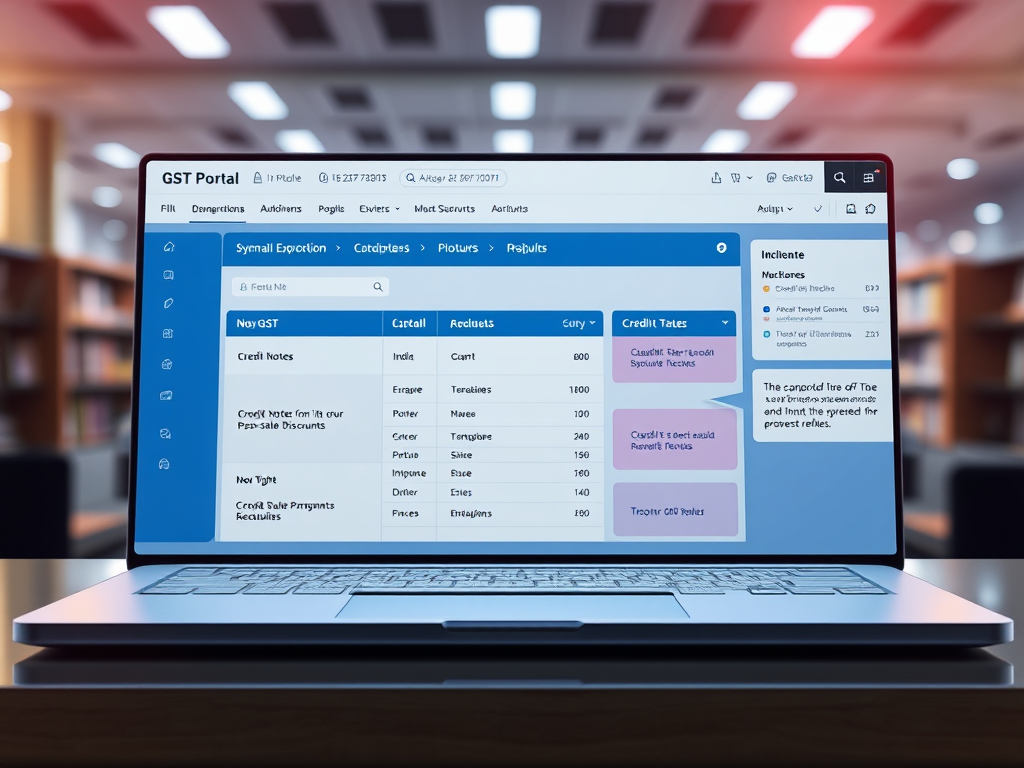

The Goods and Services Tax (GST) regime in India continues to evolve with regular updates and reforms. The Union Budget 2026 introduced several significant GST amendments that have now been integrated into the GST portal. These changes aim to simplify compliance, improve liquidity, and align India’s GST framework with global practices.
In this article, we will explore the Union Budget 2026 GST amendments, their integration into the GST portal, and their implications for businesses, exporters, and consultants.
1. Post-Sale Discounts Deductible
Previous Rule
Earlier, businesses could issue credit notes for discounts only if they were agreed upon before supply. This created challenges for companies offering post-sale incentives.
New Amendment
- Businesses can now issue credit notes for post-supply discounts even if not pre-agreed.
- GST liability can be reduced accordingly.
Impact
- Encourages flexible pricing strategies.
- Reduces disputes between suppliers and buyers.
- Improves working capital management.
2. Refund Mechanism Strengthened
Previous Rule
Refunds under the inverted duty structure often took months, creating liquidity stress for businesses.
New Amendment
- Up to 90% provisional refunds are now allowed for inverted duty structure claims.
- Refunds will be processed faster, easing cash flow concerns.
Impact
- Boosts liquidity for manufacturers and exporters.
- Reduces dependency on external financing.
- Enhances trust in the GST system.
3. Export Refund Threshold Removed
Previous Rule
Export refunds below ₹1,000 were not processed, creating difficulties for small exporters using courier or postal channels.
New Amendment
- The ₹1,000 threshold for export refunds has been eliminated.
- Even small-value refunds will now be processed.
Impact
- Supports small exporters and startups.
- Encourages participation in global trade.
- Promotes ease of doing business for MSMEs.
4. Intermediary Services Rule Omitted
Previous Rule
Intermediary services had a special place-of-supply rule, often leading to disputes and double taxation.
New Amendment
- The special place-of-supply rule for intermediary services has been removed.
- Tax treatment is now aligned with global practices.
Impact
- Reduces litigation and compliance disputes.
- Aligns Indian GST with international tax frameworks.
- Encourages cross-border service providers.
5. Integration into GST Portal
The GST portal has been updated to reflect these amendments:
- Credit note functionalities now allow post-sale discounts.
- Refund application modules support provisional refunds and small-value claims.
- Export refund processing is simplified.
- Place-of-supply rules for intermediary services have been updated.
This integration ensures taxpayers can immediately benefit from the reforms without manual intervention.
6. Practical Implications for Businesses
- Manufacturers: Faster refunds improve liquidity.
- Exporters: Removal of refund threshold supports small shipments.
- Service Providers: Simplified rules reduce disputes.
- Retailers: Flexibility in offering discounts improves competitiveness.
7. Best Practices for Taxpayers
To leverage these reforms effectively:
- Update accounting systems to reflect new credit note rules.
- Apply for refunds promptly under the strengthened mechanism.
- Track export refunds, especially for small-value shipments.
- Consult professionals to ensure compliance with revised place-of-supply rules.
Conclusion
The Union Budget 2026 GST amendments integrated into the GST portal represent a major step toward simplifying compliance, improving liquidity, and aligning India’s GST framework with global standards.
By adopting these changes, businesses can reduce disputes, improve cash flow, and strengthen their competitiveness in both domestic and international markets.
Disclaimer
This article has been prepared by a practicing SME accountant based on updates published on the official GST portal and government notifications. The content is intended for informational purposes only. While every effort has been made to ensure accuracy, we are not responsible for any misleading information, mismatches, or subsequent changes made by the government. Readers are advised to verify details directly from the official GST portal before making compliance decisions.


Pingback: FSSAI Strengthens Food Safety Standards: New Limits for Contaminants in Pulses, Oils, and Seafood Effective December 2026 – smeaccountant
Pingback: RBI Tightens Co-operative Bank Governance with New Director Tenure Rules – smeaccountant