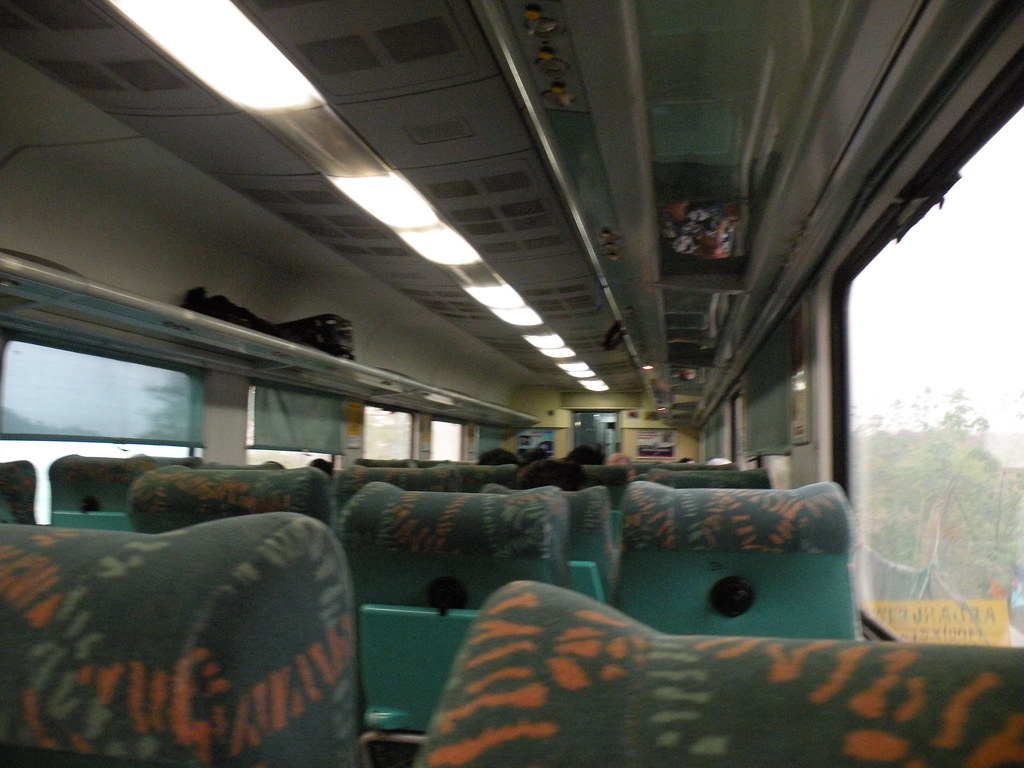

The North Western Railway and the Union of India have officially filed an appeal against a 2022 ruling by the District Consumer Disputes Redressal Commission (DCDRC) in Sri Ganganagar, which found the national carrier liable for deficiency in service and negligence regarding a passenger complaint dating back to 2014. The legal challenge, centered on a case involving passenger Smt. Abha Sharma, reached a significant procedural milestone on June 1, 2026, as the railway authorities contest their liability for incidents occurring during long-distance transit.
The Genesis of the Dispute
The conflict originated from a travel experience on November 4, 2014, when Smt. Abha Sharma booked a ticket for Train No. 12455, traveling from Sarai Rohilla in New Delhi to Sri Ganganagar. The complainant was assigned seat number 9 in the 3rd AC coach, under PNR number 2526799863.
Following her journey, the passenger alleged that the services provided fell significantly below the expected standards of the Indian Railways. This prompted her to approach the DCDRC, seeking redress for what she characterized as systemic negligence and poor service quality during her transit.
Legal Precedents and Consumer Rights
In August 2022, the DCDRC ruled in favor of the complainant, affirming that the railway authorities were responsible for the grievances cited. The commission’s decision underscored the liability of public service providers to maintain basic safety and comfort standards for ticketed passengers.
The appeal filed by the Station Superintendent of North Western Railway and the Ministry of Railways argues against this finding. By escalating the matter to a higher forum, the appellants are challenging the broader interpretation of ‘deficiency in service’ as applied to large-scale public transport operations.
Implications for Indian Railways
This ongoing litigation highlights a growing trend of passengers holding state-run infrastructure accountable through consumer protection forums. Legal analysts suggest that if the DCDRC’s initial ruling is upheld at the appellate level, it could create a stronger precedent for future consumer litigation against the national rail network.
For the Indian Railways, the case represents a challenge in balancing its massive operational scale with individual passenger rights. The outcome may necessitate revised internal protocols regarding passenger grievances and service delivery standards to mitigate future legal exposure.
Looking Ahead
Observers are now watching the appellate court’s upcoming proceedings to see if the judiciary will narrow or expand the scope of railway liability. Future developments in this case will likely influence how the Ministry of Railways handles compensation claims and whether the department will seek legislative changes to limit consumer forum interventions in operational disputes.
Frequently Asked Questions
Why is the Indian Railways appealing a ruling that dates back to 2014?
The railway authorities are appealing to challenge the legal interpretation of 'deficiency in service' applied to their massive operations. By contesting the 2022 DCDRC ruling, they aim to establish a precedent that prevents individual passenger grievances from creating broad, systemic liability burdens that could impact the operational autonomy of the national rail network.
Does this case mean all passenger complaints can now be taken to consumer forums?
While this case highlights a trend of holding state-run infrastructure accountable, the final outcome will determine the scope. If the appellate court upholds the ruling, it strengthens the rights of passengers to seek redress in consumer courts. However, the railways may push for legislative changes to limit such interventions in future operational disputes.
How might this legal battle affect the daily operations of Indian Railways?
If the initial ruling is upheld, the Indian Railways may be forced to overhaul its internal protocols regarding passenger service and safety. This could lead to stricter accountability measures for staff and more standardized procedures for addressing grievances to mitigate the risk of future legal exposure in consumer protection forums.
What specific aspects of 'deficiency in service' are being contested by the railway?
The railway is challenging the extent of its liability for the quality of service provided during long-distance transit. They argue that the DCDRC’s interpretation of negligence is too broad, potentially holding the state-run carrier responsible for issues that fall outside reasonable operational expectations, thereby seeking to narrow the legal definition of service failure.